Decades of selective breeding for specific aesthetic traits have inadvertently caused severe anatomical defects in many popular breeds. When these congenital issues compromise an animal's ability to breathe, walk, or see comfortably, corrective veterinary surgery becomes a vital, life-saving necessity rather than an elective procedure.
Addressing BOAS in Flat-Faced Breeds
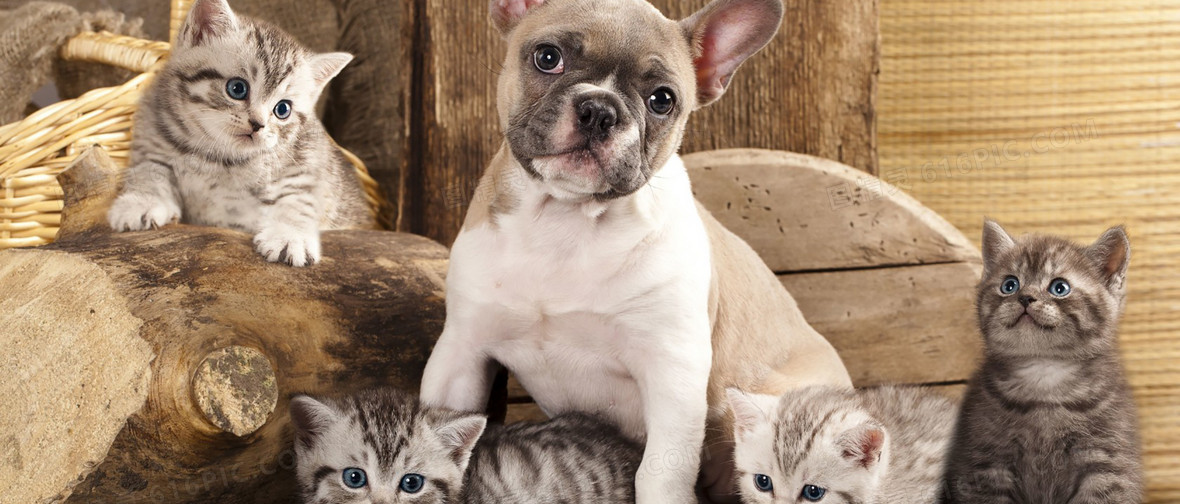
Brachycephalic breeds, such as French Bulldogs, Pugs, and Persian cats, frequently suffer from Brachycephalic Obstructive Airway Syndrome (BOAS). Their compressed skulls result in narrowed nostrils and an elongated soft palate, essentially forcing them to breathe through a cocktail straw. Surgical correction (widening the nares and trimming the palate) dramatically increases airflow and prevents fatal heatstroke.
Orthopedic and Ophthalmic Corrections
Other common corrective procedures include repairing medial patellar luxation (slipping kneecaps) in toy breeds, and entropion surgery to correct eyelids that roll inward and scratch the cornea in breeds with heavy facial folds. These precise surgical interventions immediately eliminate chronic pain and restore normal function.